by MEGHAN WATTS.
Gut health is a hot topic these days, and rightly so. Our large intestine is home to trillions of microbes, including bacteria, fungi, and more, that help us digest certain foods and produce important by-products that influence our health in a myriad of ways. These by-products include neurotransmitters such as serotonin, some vitamins, and potent anti-inflammatory chemicals known as Short-Chain Fatty Acids (SCFAs). But the magic transformations that happen in our intestine are only possible when these beneficial microbes— called “probiotics”—are fed their favorite foods.
Honey Yogurt

Adding honey to fermented yogurt creates a nutritious, prebiotic-rich snack that supports gut health, as honey helps probiotic bacteria survive in the gut.
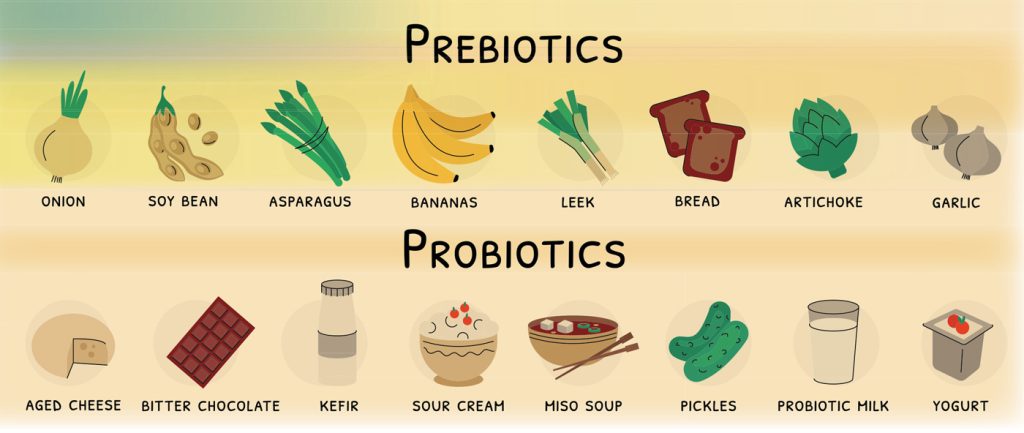
What are these favorite foods? Mainly fiber. To have a healthy gut, we need to include probiotics and fiber-rich foods every day.
Prebiotics and Probiotics
Dr. Will Bulsiewicz, a board-certified gastroenterologist, has been a high-fiber diet advocate for many years. In his 2020 book Fiber Fueled, Dr. Bulsiewicz explains that many fibers are “prebiotic,” meaning they feed the probiotics, allowing them to proliferate in our gut. These prebiotics pass through much of the digestive tract undigested, allowing them to reach our colon (the main portion of the large intestine) and feed the microbes there, which then transform the prebiotics into important by-products. Without beneficial gut microbes, humans would not be able to digest the wide range of plant foods we can eat. If we didn’t have these microbes, it would be like having a bag of walnuts in their shells without a nutcracker—the food would be useless to us.
So how do we make sure we have these beneficial microbes? One way is by eating fermented foods such as sauerkraut, kimchi, yogurt, and kefir, which contain probiotics. These microbes, many of which are strains of bacteria, can help boost the populations in the large intestine. With more of the “good guys” around, more fiber digestion can take place, which means more creation of vitamins, neurotransmitters, and SCFAs.
Tepache

Why Not Just Take a Probiotic Supplement?
Many people have become aware of the important role of probiotics in our health, but what they might not know is that the FDA does not regulate probiotic supplements. Thus, the manufacturers don’t have to ensure that what they say is in their product is actually there. This is not to say that all probiotic supplements are untrustworthy, but it does mean people should do thorough research to confirm that a manufacturer is credible and has perhaps had third-party testing. The more reliable route? Eat more fermented foods, which are created using probiotics, ensuring that these microbial superheroes are actually present in fermented foods.
We now know that inactivated microbes can help reduce inflammation, support immunity, and strengthen the gut barrier.
Are the Probiotics in Fermented Food Actually Alive?
Rose Forbes, P.E., local fermentationist and co-owner of Independent Fermentations in Plymouth, helped provide the answer to this question. According to Forbes, “Probiotics in fermented foods are living microorganisms. Fermented foods don’t necessarily require heat/pasteurization, especially if made at home and refrigerated afterwards.
“To get the gut-health benefits of fermented foods like kimchi, sauerkraut, kefir, kombucha, etc., they shouldn’t be pasteurized. Pasteurization is typically done to make products shelf stable. Pasteurized ferments will likely not contain live probiotics.”
Look for indicators like “raw”, “unpasteurized,” or “live, active cultures” on the label to ensure you’re getting living probiotics. As for the ones that might have been pasteurized or baked, in the case of sourdough bread, the probiotics will have been killed off.
However, there is emerging evidence that the dead bacteria in these foods can still provide us with health benefits. There is a rising star in the gut health world called “parabiotics,” which are probiotics that have been killed before they are able to reach the large intestine, but which nevertheless still offer health benefits when ingested. As professor Tim Spector, an expert on gut health and the co-founder of the health science company Zoe explained, “We now know that inactivated microbes can help reduce inflammation, support immunity, and strengthen the gut barrier Many fermented foods naturally contain a mix of live and dead microbes, so even your sourdough, kimchi, or kefir that’s been pasteurized may still be doing you good.”
How Much Fermented Food Do I Need to Eat?
Now that you know how beneficial the microbes in fermented foods are for your health, the question is how much a person has to eat to see any health benefits. Per Professor Spector, eat a portion of fermented foods several times daily, since a variety will give us different probiotics and parabiotics that will potentially have equally varied benefits to our health. Familiar dishes such as a bowl of plain yogurt topped with berries and a drizzle of honey, a salad tossed with a miso-ginger dressing, or a mock-tail with bubbly kombucha or tepache, can make incorporating fermented foods into our diets easy and delicious. Our gut microbes will thank us for our efforts with the gift of improved physical health!
Meghan Watts, a Certified Integrative Nutrition Health Coach, focuses on the role of the gut in overall health. As a Holly Hill Farm Educator, she teaches cooking classes for children, highlighting the importance of our microbial allies.
Frequently Asked Questions About Fermented Foods
Are fermented foods good for gut health?
Many fermented foods contain beneficial bacteria that can help support a healthy gut microbiome. A balanced gut microbiome plays an important role in digestion, immune function, and overall wellness. While not all fermented foods contain live cultures, those that do may contribute to gut health when eaten regularly as part of a balanced diet.
What fermented foods contain probiotics?
Foods that may contain probiotics include yogurt with live cultures, kefir, kimchi, sauerkraut, miso, tempeh, and kombucha. The amount and type of beneficial bacteria vary by product, and some processing methods, such as pasteurization, can reduce or eliminate live cultures.
How often should you eat fermented foods?
Many nutrition experts recommend incorporating fermented foods into your diet regularly, whether daily or several times a week. If you’re new to fermented foods, start with small amounts and gradually increase your intake to allow your digestive system time to adjust.
Is kombucha a fermented food?
Yes. Kombucha is a fermented tea made by combining sweetened tea with a culture of bacteria and yeast known as a SCOBY. During fermentation, the microorganisms consume much of the sugar and create compounds that give kombucha its distinctive tangy flavor.
What is the difference between fermented foods and probiotics?
Fermented foods are foods and beverages produced through a process in which microorganisms transform sugars and starches. Probiotics are live microorganisms that may provide health benefits when consumed in adequate amounts. Some fermented foods contain probiotics, but not all fermented foods retain live beneficial bacteria by the time they are eaten.
Do all fermented foods contain probiotics?
No. Some fermented foods are heated, filtered, or pasteurized after fermentation, which can destroy live microorganisms. While these foods may still offer nutritional benefits, they may not contain active probiotics. Check labels for “live and active cultures” if you’re looking for probiotic-rich foods.